
Simsbury Brush Removal Services
Choose our brush removal services for fast, reliable clearing that keeps your property safe, beautiful, and ready for your next project—experience hassle-free results from local experts you can trust.
Get a Free QuoteOur Simsbury Landscaping & Yard Care Services
When to Schedule Brush Removal in Simsbury, Connecticut – Seasonal Guide
In Simsbury, Connecticut, the best times for brush removal are typically late spring and early fall. These periods align with the region’s climate patterns, allowing homeowners to clear overgrown areas after the last frost or before winter sets in. The Farmington River Valley’s unique microclimate means that neighborhoods like Weatogue and Tariffville often experience lingering spring moisture and dense summer foliage, making timing especially important. Early spring removal helps prevent brush from becoming a fire hazard during the drier summer months, while fall clearing prepares your landscape for winter and reduces the risk of pest infestations.
Local environmental factors such as Simsbury’s variable humidity, shaded woodlots, and loamy soils can influence how quickly brush accumulates and decomposes. For example, properties near Stratton Brook State Park may see faster regrowth due to higher shade coverage and moisture retention. It’s also important to consider municipal guidelines and seasonal restrictions, which can be found on the Town of Sudbury’s official website, to ensure compliance with local ordinances.
Local Factors to Consider for Brush Removal in Simsbury
- Tree density and type of vegetation on your property
- Terrain slope and accessibility, especially in hilly areas like West Simsbury
- Seasonal precipitation and risk of drought
- Frost dates and soil moisture levels
- Municipal restrictions or scheduled brush collection dates
- Proximity to landmarks such as Stratton Brook State Park or the Farmington River
Benefits of Brush Removal in Simsbury

Enhanced Curb Appeal
Improved Lawn Health
Reduced Pest Infestation
Increased Usable Space
Fire Hazard Reduction
Professional and Timely Service
Simsbury Brush Removal Types

Manual Brush Clearing
-
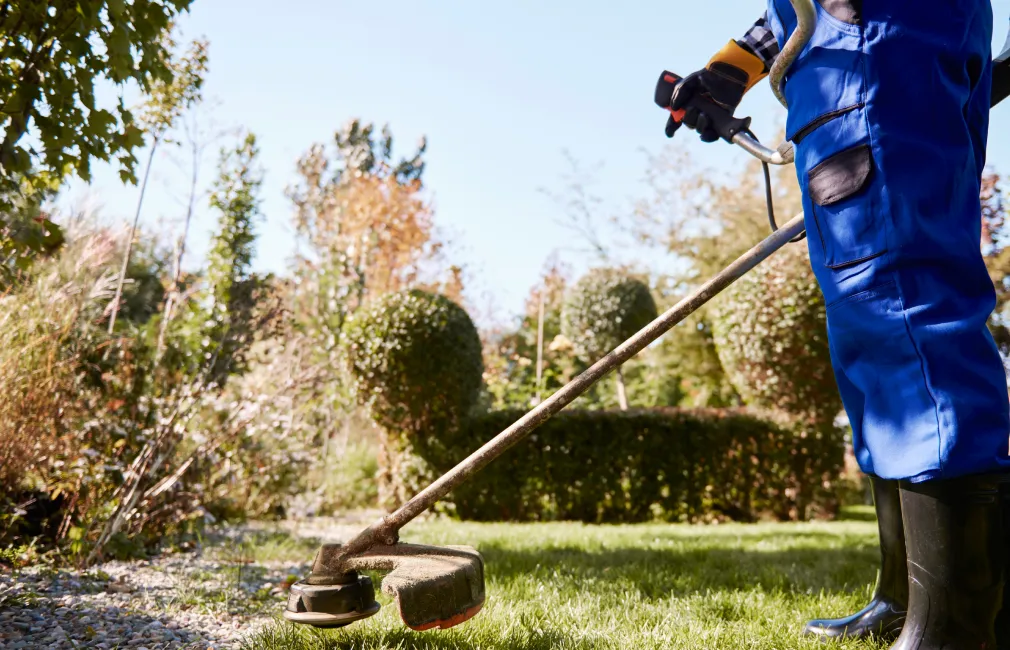
Mechanical Brush Removal
-
Selective Tree and Shrub Removal
-
Stump Grinding and Removal
-
Lot and Land Clearing
-
Debris Hauling and Disposal
-
Invasive Species Removal
Our Brush Removal Process
Site Evaluation
Safety Preparation
Brush Clearing
Debris Removal
Final Inspection
Why Choose Simsbury Landscape Services
-
Simsbury Homeowners Trust Us
-
Expert Lawn Maintenance
-
Reliable Seasonal Cleanups
-
Competitive Pricing
-
Professional Team
-
Satisfaction Guarantee
-
Personalized Service
Simsbury’s Brush Removal Ordinances and Municipal Collection Procedures
Brush removal in Simsbury is governed by specific municipal ordinances to ensure public safety, environmental protection, and efficient waste management. Residents must adhere to the town’s curbside collection schedule, which typically occurs every Thursday from April through November. Accepted materials include brush under 4 feet in length and branches less than 4 inches in diameter, placed in biodegradable bags or reusable bins (32-gallon maximum). Plastic bags and oversized branches are prohibited. For larger volumes or off-schedule disposal, the Simsbury Transfer Station provides additional drop-off options. Equipment operation for brush removal is permitted:
- Monday-Friday: 7:00 AM - 7:00 PM
- Saturday: 8:00 AM - 6:00 PM
- Sunday and holidays: Prohibited
Permit requirements may apply for significant land clearing or work near wetlands. For detailed guidance on collection, permits, and compliance, contact:
Simsbury Department of Public Works
933 Hopmeadow Street, Simsbury, CT 06070
Phone: (860) 658-3222
Official Website: Simsbury Department of Public Works
Soil and Site Considerations for Brush Removal in Simsbury’s Glacial Till Landscapes
Simsbury’s predominant soils, including Paxton and Montauk fine sandy loams, are derived from glacial till and are often moderately acidic (pH 5.5-6.5) with variable drainage. Poorly drained areas, especially near the Farmington River and local wetlands, may require specialized removal techniques to prevent rutting and soil compaction. Brush removal in these zones should avoid heavy equipment during wet periods to minimize site disturbance. Soil testing is recommended prior to restoration or replanting, with tests available through UConn Extension. Best practices include:
- Avoiding removal during saturated soil conditions
- Using tracked equipment for minimal compaction
- Incorporating 2-3 inches of compost to restore organic matter
- Maintaining a 25-foot buffer from wetlands
For site-specific soil data, consult the USDA Web Soil Survey. Environmental oversight is provided by:
Simsbury Conservation, Inland Wetlands, and Watercourses Commission
933 Hopmeadow Street, Simsbury, CT 06070
Phone: (860) 658-3241
Official Website: Simsbury Conservation, Inland Wetlands, and Watercourses Commission
Environmental Compliance: Wetland Buffers and Stormwater Protection in Simsbury
Brush removal activities in Simsbury must comply with both local and state environmental regulations, particularly regarding wetland and watercourse protection. The town enforces a standard 25-foot no-disturbance buffer from delineated wetlands and water bodies, with stricter setbacks possible in sensitive areas. All debris must be kept out of storm drains to comply with Simsbury’s MS4 permit under the Clean Water Act and Connecticut Environmental Protection Act. Key compliance steps include:
- Maintaining 25-foot wetland buffers
- Prohibiting brush disposal in or near storm drains
- Scheduling removal outside of heavy rain events (check National Weather Service)
- Using erosion control measures on slopes
State oversight is provided by:
Connecticut Department of Energy and Environmental Protection
79 Elm Street, Hartford, CT 06106
Phone: (860) 424-3000
Official Website: Connecticut Department of Energy and Environmental Protection
Safety Protocols and Equipment Standards for Brush Removal in Simsbury
Simsbury enforces strict safety and equipment standards for brush removal to protect workers and the public. All operators must use commercial-grade equipment with functioning mufflers, and noise levels must not exceed 85 decibels at property lines. Personal protective equipment (PPE) is mandatory:
- Eye protection: ANSI Z87.1 safety glasses
- Hearing protection: Earmuffs or plugs for 85+ dB
- Footwear: Steel-toed boots
- Gloves: Cut-resistant for pruning
Maintain a 15-foot clearance from overhead utilities and a 25-foot setback from public roads when staging equipment. All work near public infrastructure requires advance notification to the Department of Public Works. For large-scale projects or work in public rights-of-way, traffic control plans and additional permits may be required. For regulatory details, contact:
Simsbury Engineering Department
933 Hopmeadow Street, Simsbury, CT 06070
Phone: (860) 658-3260
Official Website: Simsbury Engineering Department
What Neighborhoods Do We Serve Throughout Simsbury, CT?
- Weatogue: Characterized by mature woodlands and proximity to the Farmington River, requiring careful buffer management and frequent wet soil conditions.
- Tariffville: Historic district with compact lots, older infrastructure, and high tree density, necessitating specialized equipment for narrow access and compliance with local preservation guidelines.
- West Simsbury: Features larger lots, newer developments, and variable soil drainage, often requiring coordination for debris staging and access to private drives.
- Simsbury Center: Urbanized core with mixed-use properties, limited curb space, and strict noise ordinance enforcement for equipment operation.
- Hopmeadow Corridor: Commercial and residential mix with overhead utilities and traffic considerations, demanding enhanced safety protocols and traffic control during removal.
- East Weatogue: Adjacent to conservation lands and wetlands, with sensitive habitats and additional regulatory oversight for buffer compliance.
- North Simsbury: Rural area with expansive properties, heavy brush growth, and occasional access limitations due to unpaved roads or seasonal flooding.